The Science of "Authentic" Design
From the library archives: research on the mockups that convert...
The word authentic gets used constantly in online business, often to the point where it stops feeling meaningful. We hear phrases like “be authentic” or “show up authentically,” but those ideas don’t naturally translate into design decisions. What does authenticity look like as a graphic? What makes a sales page banner feel trustworthy? Why do certain visuals quietly communicate credibility before a single word is read?
Fortunately, authenticity isn’t just a feeling. It has structure. You can design it intentionally.
Hidden Signals That Make Your Designs Feel Authentic
A now-classic study published in the Journal of Consumer Research way back in 2004 explored how people decide whether something feels authentic. The researchers found that the brain uses two distinct pathways: one based on evidence and one based on resemblance. When both are present—even subtly—the viewer is more likely to decide, within seconds, “This feels real.”
Let’s unpack what those two pathways look like in your marketing visuals.
Indexical Authenticity: The Visual Signals of Real Proof
The first pathway is called indexical authenticity, which refers to anything that shows physical or historical connection. In the study, examples included things like signatures, wear marks, real materials, or items with visible use. What matters here isn’t polish—it’s proof.
In digital design, the most indexical visual you can use is a screenshot. Not the cleaned-up version typed into your brand font, but the original message, complete with timestamps, line breaks, emoji, or formatting quirks. The brain recognizes those small imperfections as evidence that a real person wrote those words.
Design can support indexical authenticity in quieter ways too. A candid photo of your workspace feels more believable than a generic stock image. A handwritten note or marker scribble communicates that something was created by a human, not generated by software. An in-progress notebook photo often feels more trustworthy than the highly staged “after” shot. These signals softly whisper: this happened in the real world.
Key Takeaway: Authentic design speaks to both logic and feeling. Proof signals credibility to the mind, while believable, sensory design signals truth to the intuition—and together, they build trust faster.
Iconic Authenticity: When Visual Texture Feels True
The second pathway identified in the research is iconic authenticity. This isn’t about evidence—it’s about appearance. Iconic authenticity is triggered when something looks the way the brain expects an authentic object should look.
One of the most interesting findings from the study was that people sometimes trusted an aged-looking replica more than the original item—simply because the replica matched their internal mental template of “old.” In other words, our minds aren’t always measuring accuracy. We’re measuring familiarity.
Digital design is naturally smooth and perfect, so bringing in texture can help bridge the gap. Soft grain, subtle paper fibers, a hint of dust or shadow—these small touches shift a flat design toward something the eye interprets as tactile. Even the way an object “sits” in a layout matters. A photo on a page with no shadow can feel artificial or weightless, while the same image with a gentle shadow feels placed, grounded, and real.
It doesn’t need to be dramatic. Often the more refined the texture, the more expensive and trustworthy the design feels.
The “As-If” Layer: Designing for Imagination
The final insight from the study might be the most intriguing. While collecting data at the Sherlock Holmes Museum, researchers noticed that visitors described the experience as authentic—even though Sherlock Holmes is fictional. Visitors weren’t confused; they simply allowed themselves to imagine that Holmes could have just been there.
The researchers called this hypothetical indexicality—when a space or object feels believable enough that the imagination fills in the rest. This matters because much of marketing isn’t about the present. It’s about helping someone imagine a more confident, organized, successful future version of themselves.
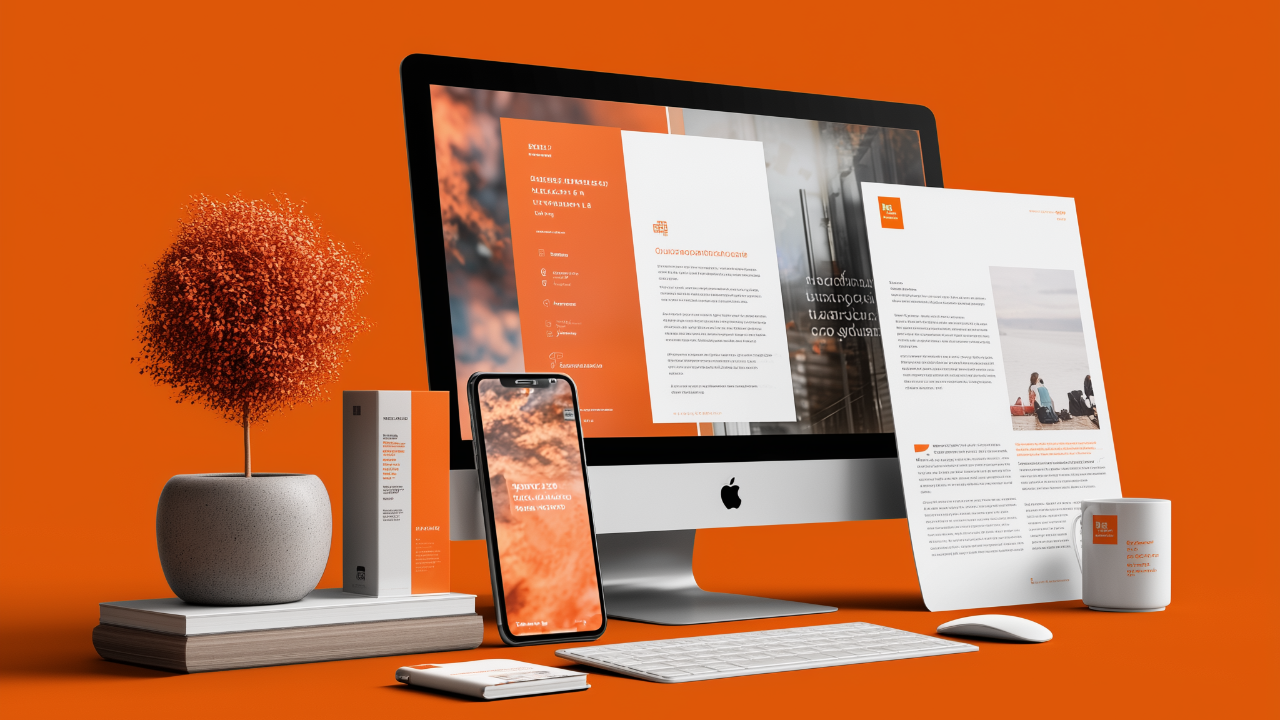
In visuals, this shows up in mockups and context. A planner sitting on a warm desk beside a cup of coffee allows the viewer to imagine using it. A phone in someone’s hand helps them see themselves opening the thing you’re selling. A coaching workbook shown open, instead of as a flat cover image, creates a subtle emotional bridge: this belongs in my life.
It’s not evidence. It’s possibility. And in the buying decision, possibility plays a powerful role.
Key Takeaway: Texture helps digital design feel grounded. A subtle grain, a soft paper overlay, or a natural shadow can make your visuals feel tactile, and that sense of physicality strengthens trust.
Where This Leaves Us
This research shows that authenticity in design isn’t random or personality-dependent; it’s something we can create intentionally. When proof, familiarity, and imaginative resonance come together, the result is a visual identity that feels real—not because it’s unpolished or raw, but because it communicates credibility in a way the brain understands instantly.
To begin, you don’t need to redesign anything from scratch. Simply choose one existing Canva graphic and make one thoughtful adjustment—perhaps a real screenshot instead of a retyped message, or a subtle texture overlay, or a mockup that shows your product in use rather than in isolation. Even the smallest shift can move a design from “nice looking” to “this feels trustworthy.”
Key Takeaway: Imagination plays a powerful role in credibility. When your visuals help someone picture themselves using your offer, the transformation becomes emotionally believable before it becomes logical.
Research Reference: Grayson, K. & Martinec, R. (2004). Consumer Perceptions of Iconicity and Indexicality and Their Influence on Assessments of Authentic Market Offerings. Journal of Consumer Research, 31(2), 296–312. Available here: https://doi.org/10.1086/422109
Join my email list and I'll send special offers you'll LOVE. Promise!
I only send lovely things, no spam, never ever ♡
About the Author